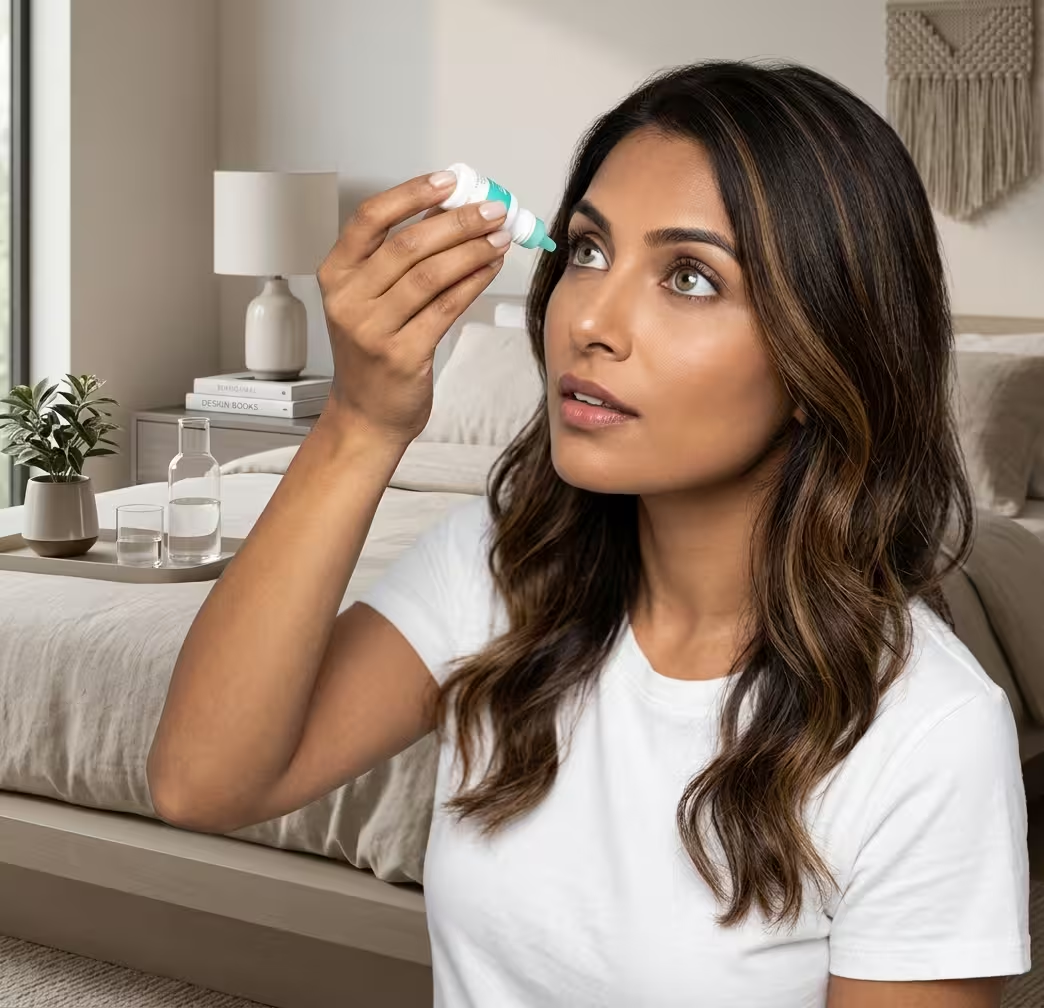
Reduced Tear Production
The glands that make tears slow down, most often with age, leaving the eye surface under-lubricated.
Learn why eyes become dry, how to recognize the signs and which treatments can bring lasting relief.

Dry eye syndrome, also known as ocular dryness, develops when the eyes either produce too few tears or produce tears that are not of good enough quality to keep the surface of the eye properly moist. The result can be irritation, a burning feeling, a gritty sensation and blurred vision. It may come and go or become long-lasting, and it is increasingly common because of long hours in front of screens and the natural effects of ageing.
Certain medicines, everyday habits and wearing a face mask for long stretches can also make it more likely.
The glands that make tears slow down, most often with age, leaving the eye surface under-lubricated.
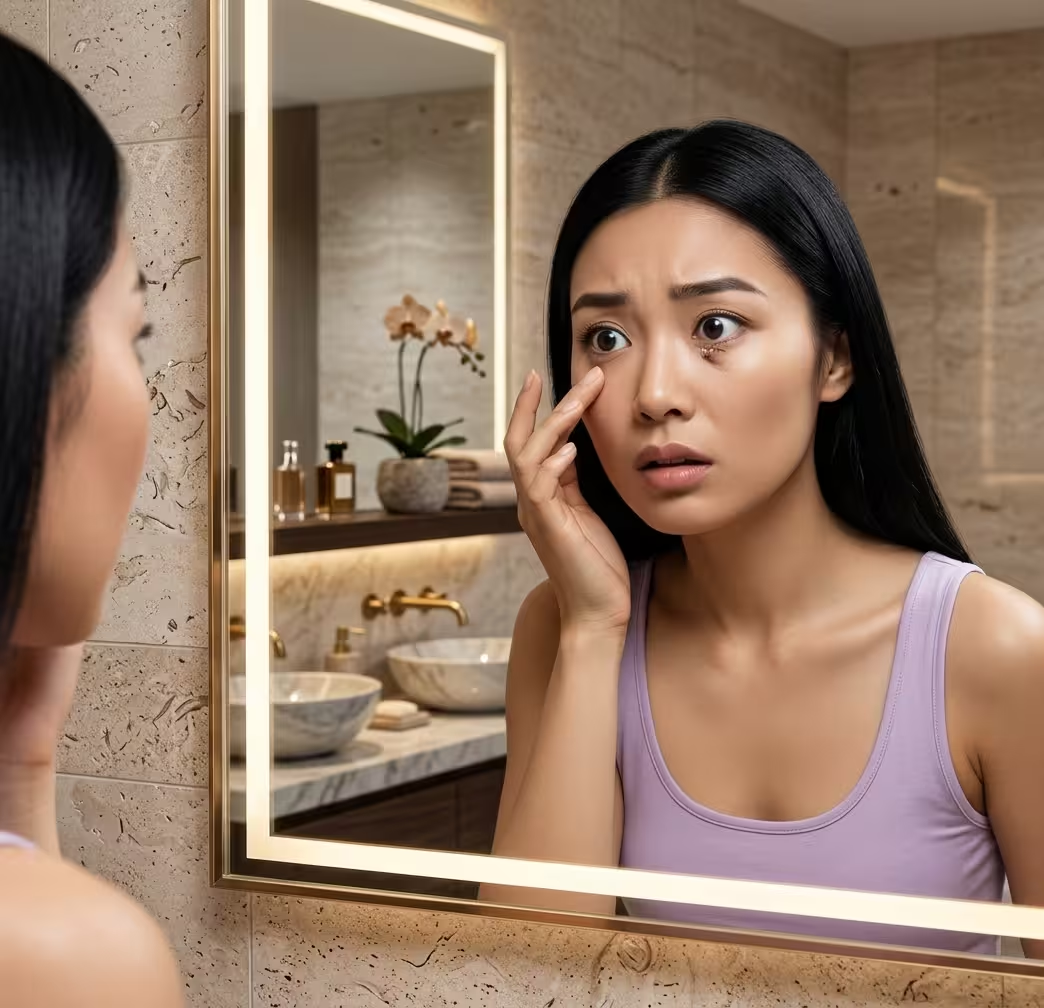
Eyelid inflammation (blepharitis) or conjunctivitis can change how many tears you make and how good they are.
Some allergy tablets, antidepressants, water pills and blood pressure medicines can lower tear output.

Dry, windy or air-conditioned rooms, smoke and polluted air make tears evaporate faster.
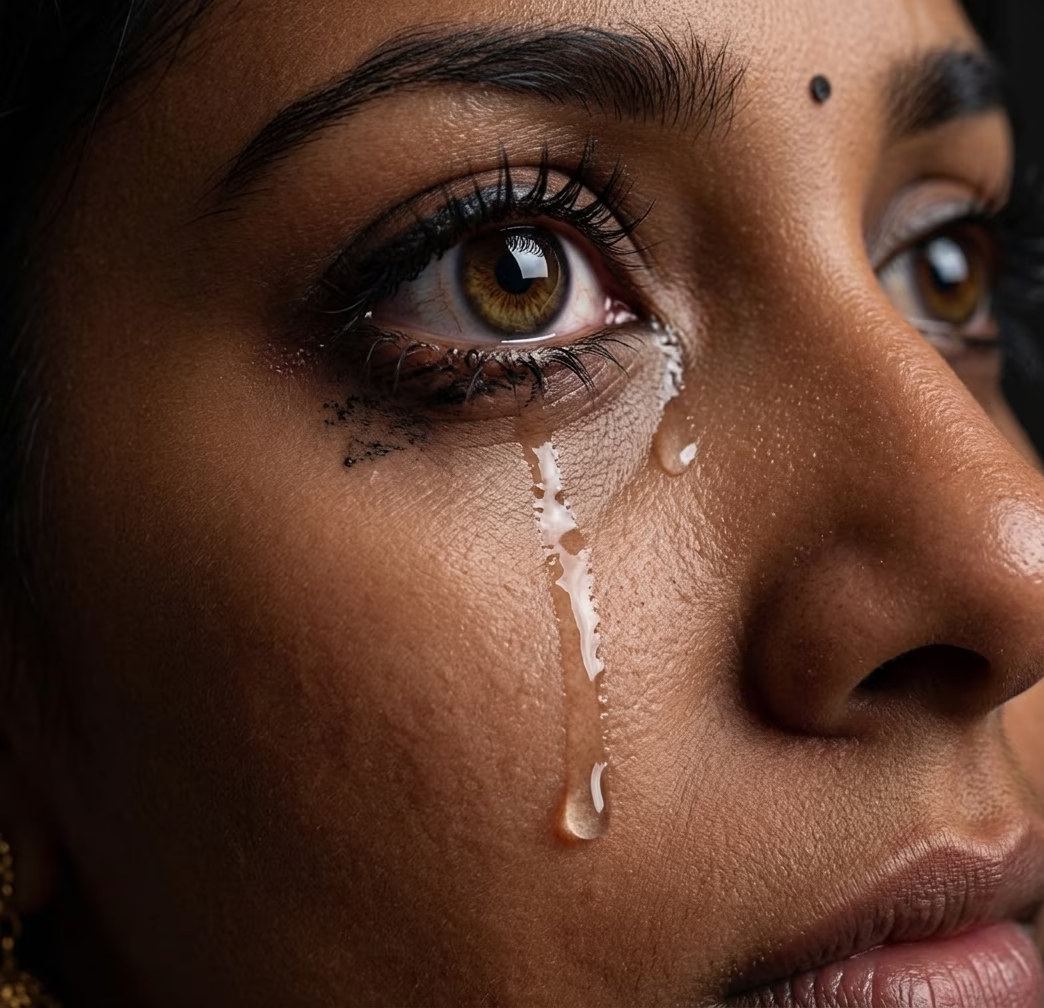
When the oil-producing Meibomian glands in the eyelids do not work properly, tears dry out too quickly.

Staring at a computer, phone or tablet reduces blinking, so tears are spread less often and dryness builds.
Signs differ from person to person, but these are the ones people notice most often:
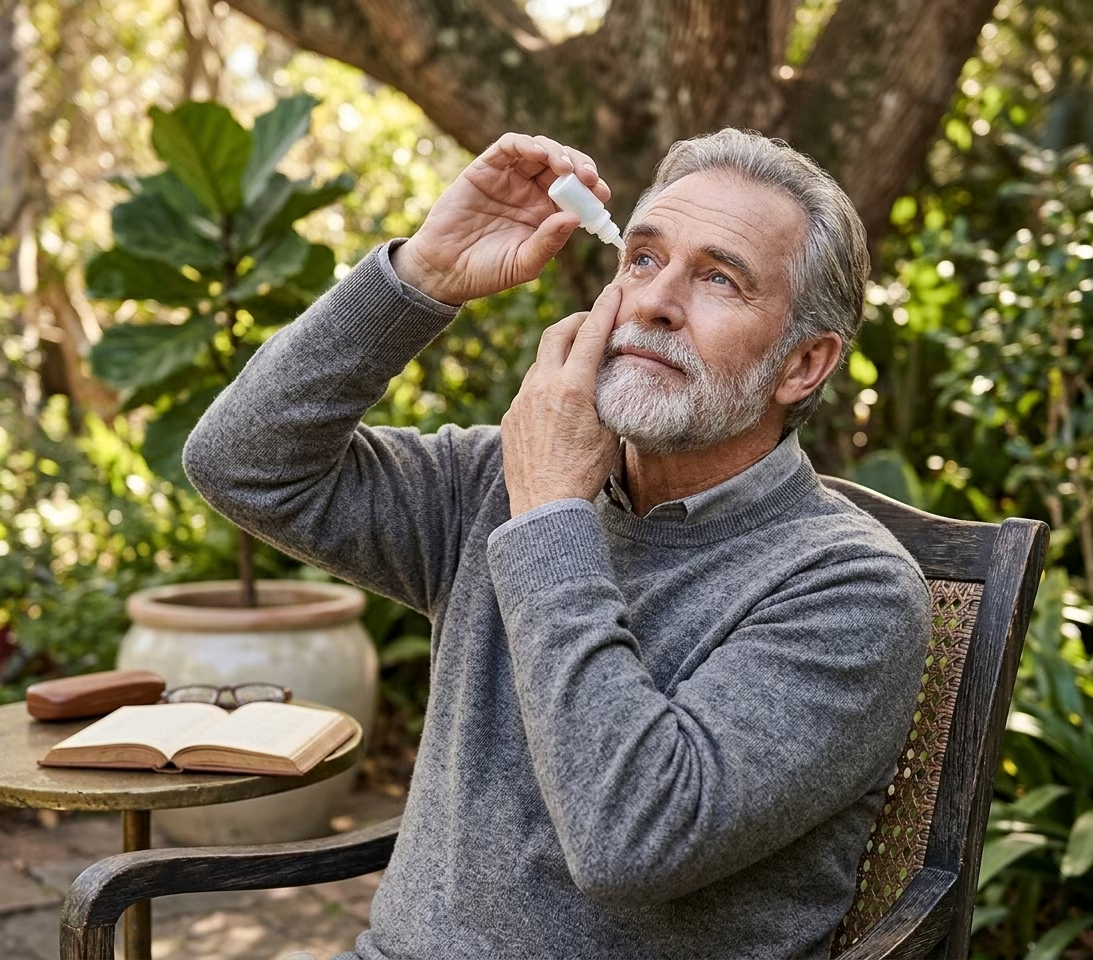
An optometrist can examine the surface of your eye, the condition of your eyelids and the quality of your tears to measure dry eye objectively. The findings show how serious the dryness is and help choose the right treatment, even if you do not yet have noticeable symptoms. Follow-up visits may be needed to see how things are improving and to adjust the plan.
The best approach depends on what is behind your dryness and how strong the symptoms are, so your optometrist will suggest options after your assessment. A treatment plan can combine several of the following:
A thorough eye health exam together with a dry eye assessment can uncover what is really causing your discomfort.
From there, your optometrist can build a personalized treatment and follow-up plan to ease your symptoms and look after the long-term health of your eyes.