Eye Exams for Children, Adults and Seniors
Our focus is on the health of your eyes.
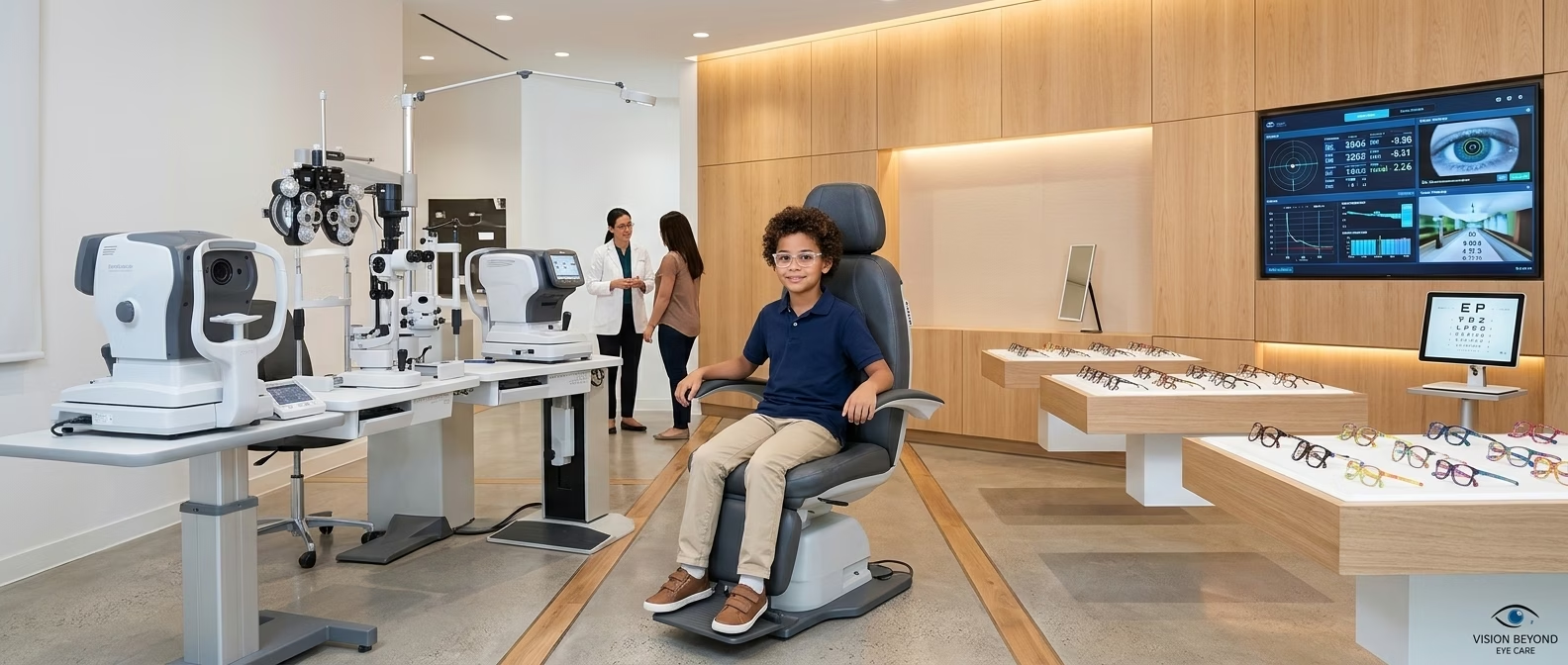
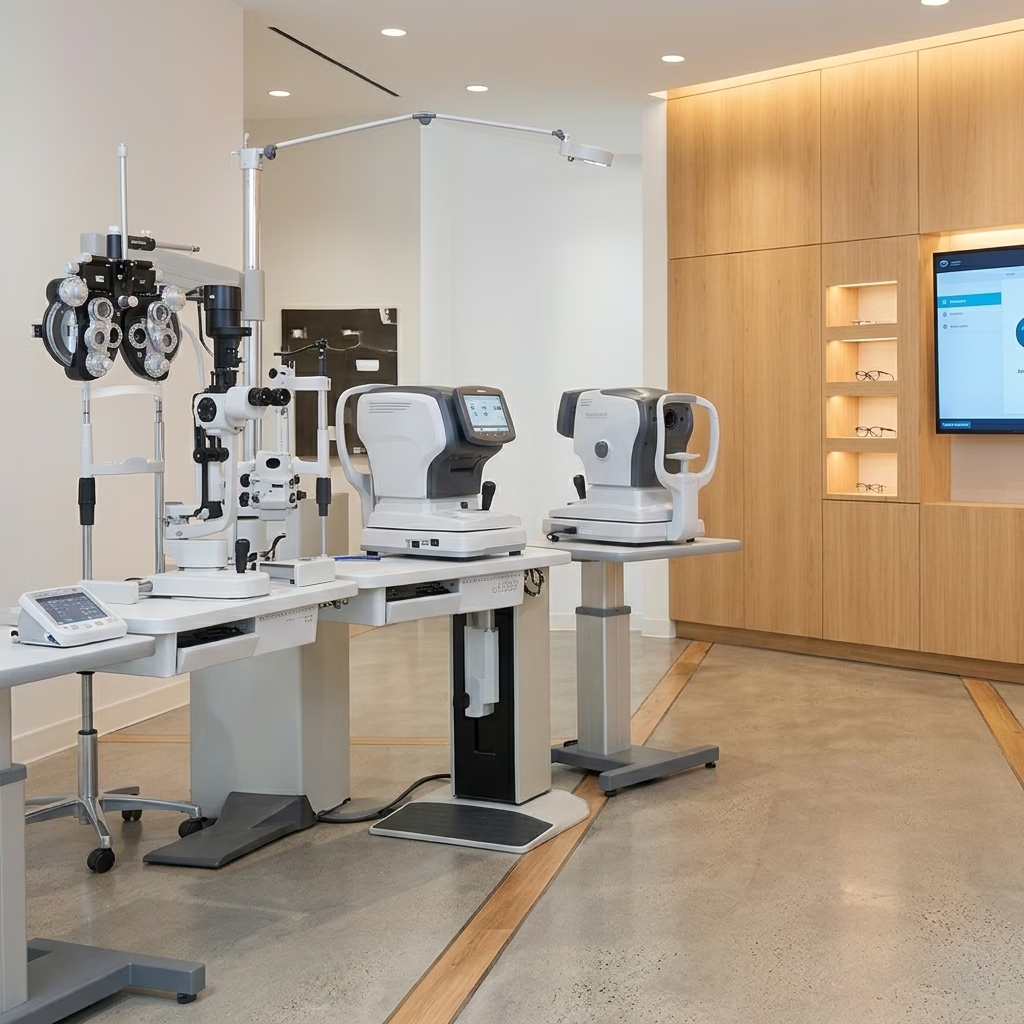
Introduction
What Is an Eye Exam?
An eye exam is a thorough check of how well you see and how healthy your eyes are, carried out by an optometrist. Your family history is part of the picture too, so that conditions that run in families can be screened for.
Why Get an Eye Exam?
Catch problems before they grow
Seeing your optometrist regularly lets problems such as nearsightedness, astigmatism and diseases like glaucoma be spotted early. It also makes everyday life more comfortable, because you end up with the vision correction that really fits you.
An Eye Exam Based on Your Age
Recommended Frequency of an Eye Exam
Routine visits, usually once a year or whenever needed, are the key to clear vision and healthy eyes over the long term.
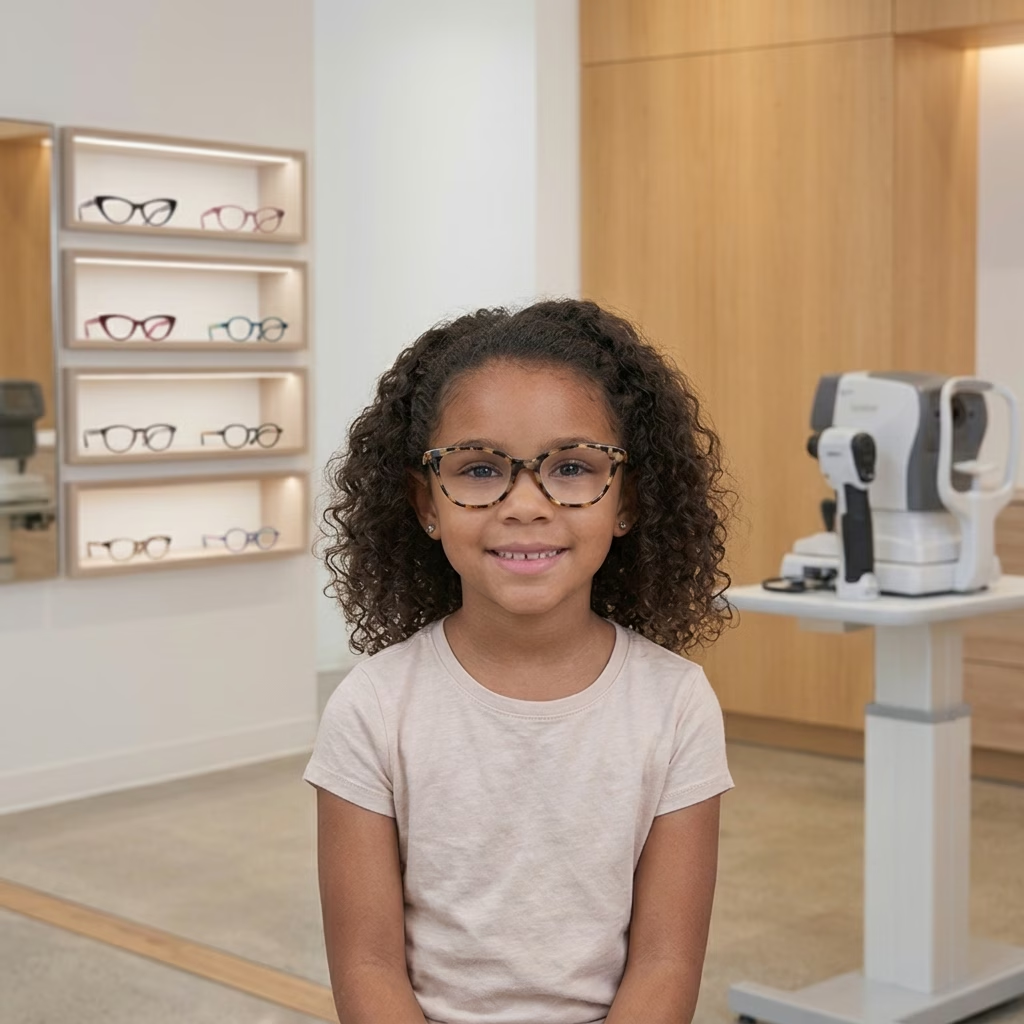
Kids
0–18 years
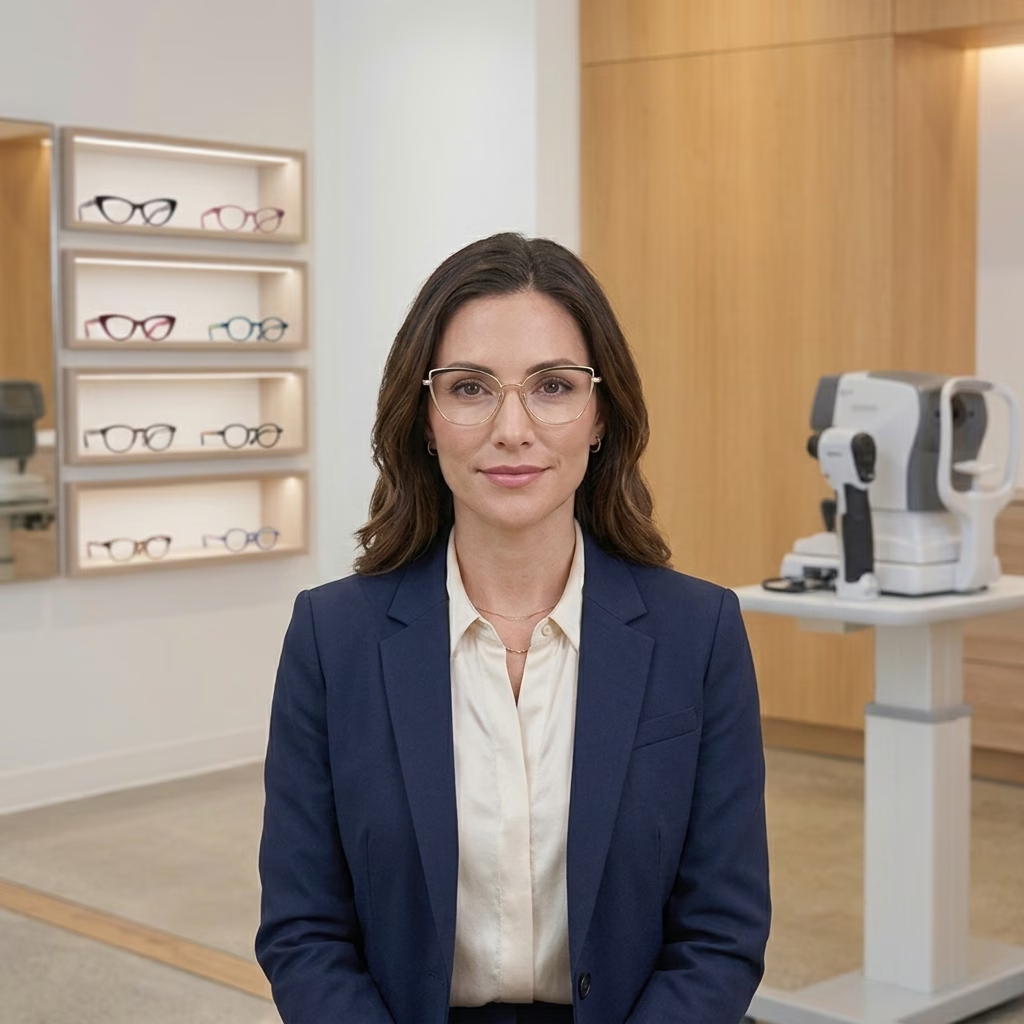
Adults
19–64 years
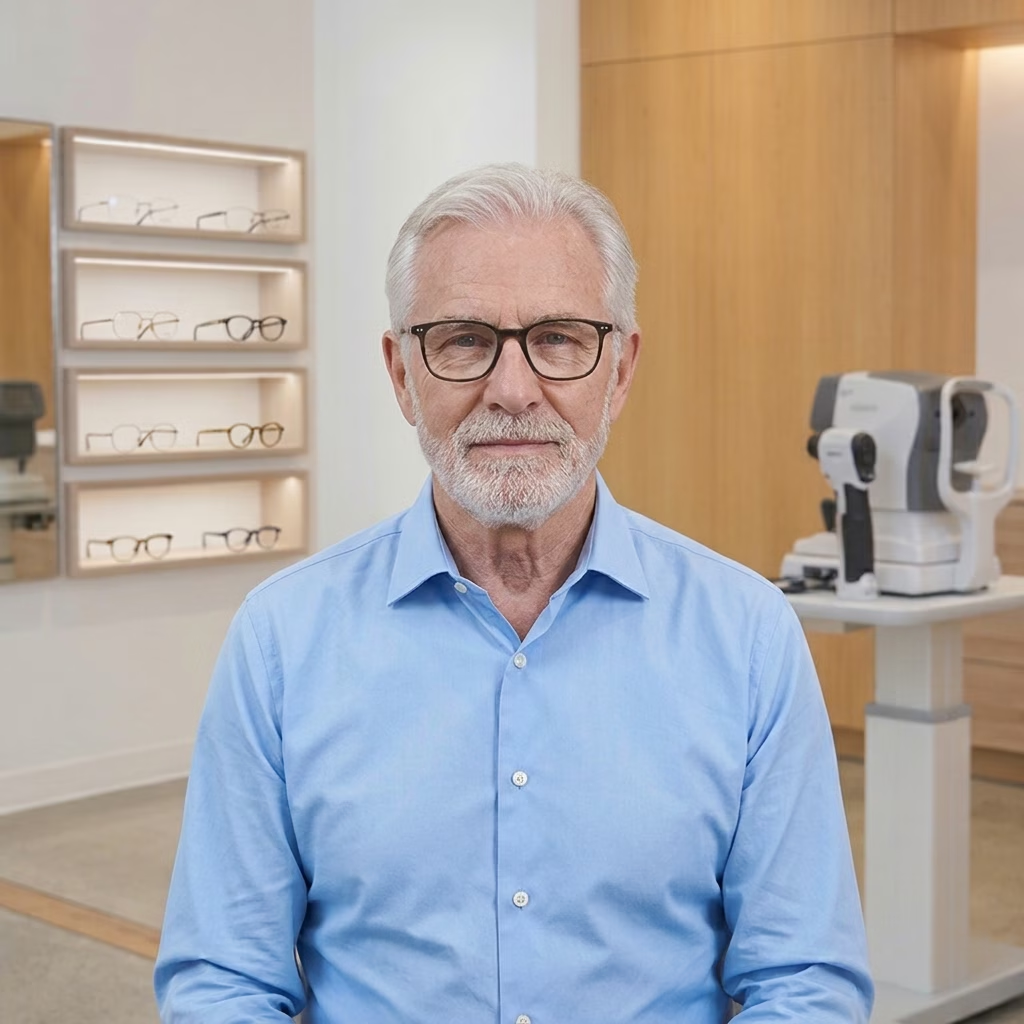
Seniors
65 years and over
Kids (0–18 years)
- 6 to 12 monthsA first exam to pick up any early eye problems.
- Ages 2 to 5An exam before school starts, even if no symptoms are noticed.
- Ages 6 to 18A yearly exam, especially for children in glasses or contact lenses or who struggle with schoolwork because of their vision.
Adults (19–64 years)
- Every 2 yearsAdvised even without symptoms, to catch slow changes such as nearsightedness, farsightedness or the first signs of eye disease.
- Every yearAdvised for people who wear glasses or contacts, and for those with risk factors like a family history of eye disease or diabetes.
Seniors (65 years and over)
- Every yearThe risk of cataracts, glaucoma and macular degeneration grows with age, so regular follow-up matters.
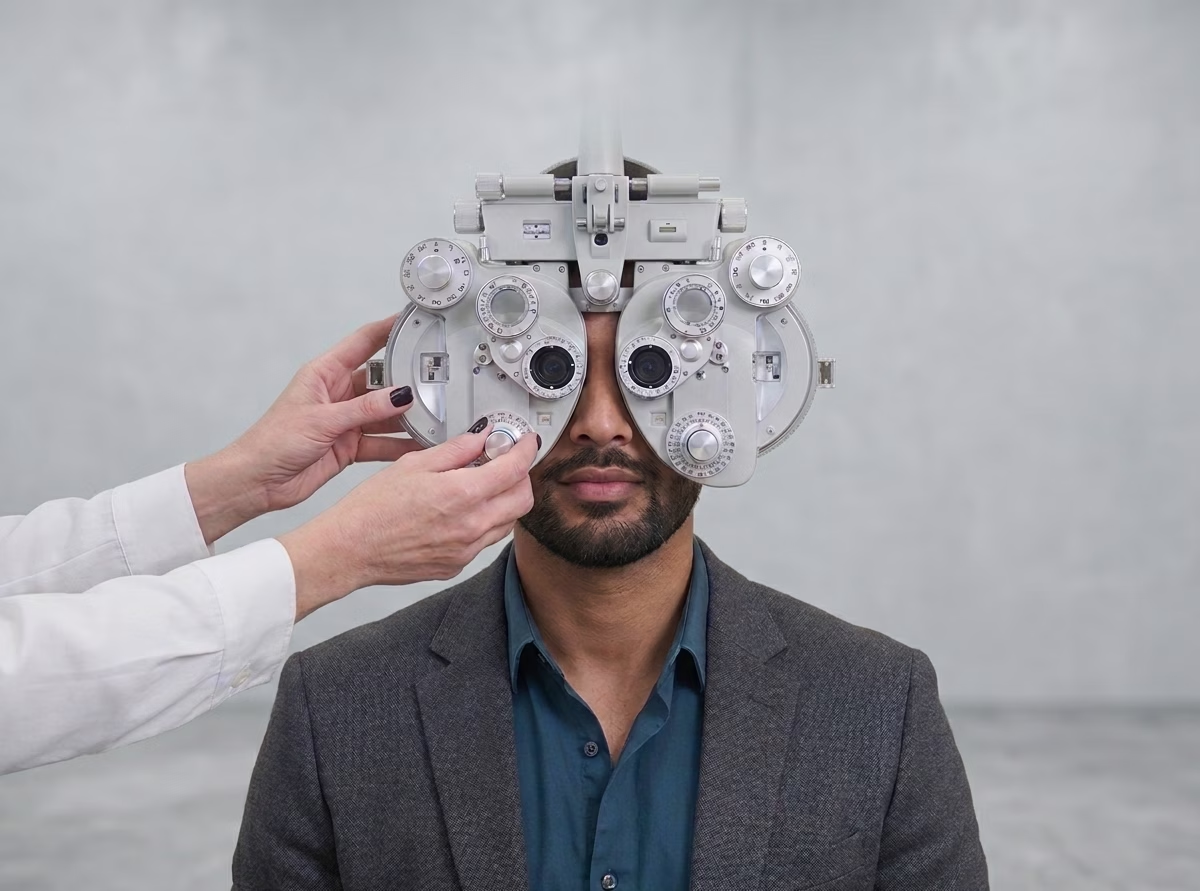
Process
What to Expect During an Eye Exam
The optometrist assesses, diagnoses, treats and helps prevent eye diseases and disorders. You will be asked about:
- Your family history
- Your visual habits, such as screen time and night driving
- Your daily and work activities
The exam usually includes:
- A visual acuity test
- Eye pressure measurement
- A peripheral (side) vision test
- An evaluation of the health of the retina
Together these tests help reveal serious conditions early, including glaucoma, macular degeneration and eye problems linked to diabetes.
Why
The Benefits of an Eye Exam
- 1
Early Detection of Eye Problems
Serious conditions can be found before they cause damage that cannot be undone.
- 2
Screening for General Health
The eyes can reveal signs of illnesses such as diabetes, high blood pressure or neurological disorders.
- 3
Vision Correction
The exam shows which glasses or contact lenses suit nearsightedness, farsightedness, astigmatism or presbyopia.
- 4
Preventing Complications
Regular monitoring helps slow the worsening of vision problems and eye disease.
- 5
A Personalized Evaluation
Your optometrist takes your family history, lifestyle and individual needs into account.